
The beginning of university is a time of major change in a student’s life. A new city, new people, new responsibilities – and with them a mix of excitement, curiosity, stress, and anxiety. While this new chapter brings many opportunities, it can also feel overwhelming. How can students take care of their mental health during such an intense and demanding time?
Student mental health – where to start?
Student mental health starts with the basics. They may seem obvious, but during the intense first weeks of university, they are often the first things we neglect. Regularity matters more than perfection.
Sleep and recovery: Quality night-time rest (7–8 hours) really makes a difference when it comes to concentration, memory, and mood. The worse you sleep, the lower your readiness to face challenges and the higher the risk of anxiety.
Nutrition and its impact on concentration and mood: Meals rich in protein, vegetables, whole grains, and healthy fats are your fuel! Excessive caffeine and sugar, on the other hand, can increase tension and irritability.
Movement as a natural stress regulator: Remember to get a daily dose of movement. It doesn’t have to be an intense gym workout. A walk or some stretching is enough—preferably outdoors. Physical activity supports neuroplasticity and concentration.
How to deal with stress at university?
Social support – why you don’t have to go through it alone
In today’s world, making new connections in real life can feel increasingly difficult. When your mood is low or you feel overwhelmed, it’s even easier to withdraw and isolate yourself. Yet social support is one of the most important protective factors for student mental health and resilience during stressful periods.
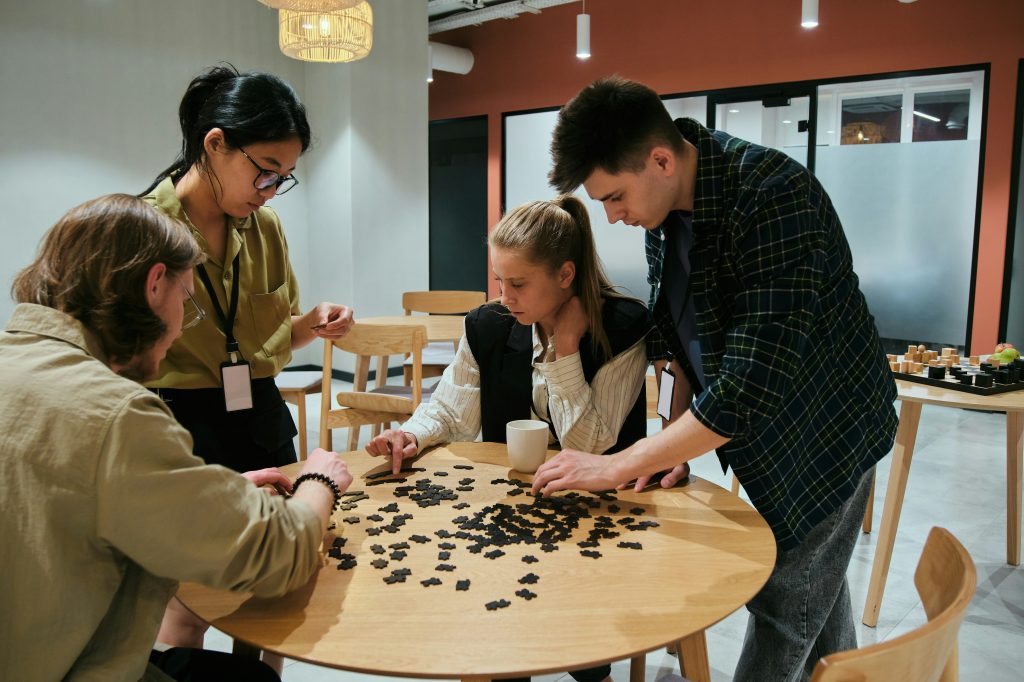
Talking to another person can help far more than worrying alone. Join a university event, sit down in a faculty café, or start a conversation with people from your course. They are often in a very similar place – facing the same doubts, pressure, and uncertainty. We know that sometimes it’s easy to say – but doing it is a whole different story. A small pro tip: look for an interesting event near your university and ask a few people from your course if they want to join. Also, in all.inn you can always ask your neighbor to watch some movie together in our Leisure Area or play some boardgames.
Having shared interests is a great starting point for friendship.
Rest is not a waste of time – take a break
Rest is just as important as studying. Doing nothing is not laziness; it’s the foundation for effective action later. Try to plan your downtime intentionally.
Think about how you want to spend your free time, so it doesn’t disappear into endless social media scrolling. Doomscrolling negatively affects your ability to rest and recover. Ask yourself: what helps you forget about deadlines and put your phone away? And whatever that is – do it more often.
What really calms you down? Find what soothes you
New life circumstances, relationships, exams, deadlines, and expectations naturally create stress and tension. Relaxation and breathing techniques really do work – even if they sound simple. For some students, physical activity helps; for others, spending time in nature or slowing down is more effective.
There’s no single solution that works for everyone. Try different methods and notice what genuinely helps you feel calmer and more grounded.
Ask for support – when to seek professional help
Remember that talking to a mental health professional is not a sign of weakness, but a sign of strength and self-care. Check whether your university offers psychological support for students.
Students at the university of gdańsk can access free consultations at the academic psychological support center. Support is also available through foundations, non-profit organizations, and crisis intervention centers. Reaching out early can make a real difference.
Turn off your inner critic – perfection is not required at university
Not every exam has to be passed on the first attempt. Not every day needs to be highly productive. You don’t have to attend every student party, and your energy levels won’t always be the same. And that’s okay.
University is a process of learning many new things — including learning about your own needs, limits, and what works (and what doesn’t) for you. Try to listen to yourself with attention and empathy, just as you would when supporting someone close to you.
Exercise as a natural stress regulator
Daily movement doesn’t have to mean intense workouts or long gym sessions. A walk, light stretching, or spending time outdoors is enough. Physical activity helps regulate stress, supports concentration, and has a positive impact on mood by stimulating neuroplasticity.
When to ask for support
Talking to a mental health professional is not a sign of weakness, it’s a sign of self-awareness and care. Many universities offer free psychological support for students, and external foundations or crisis intervention centers are also available.
Reaching out early can help prevent small difficulties from becoming serious problems. You don’t have to wait until things feel unbearable to ask for help. Not every exam has to be passed on the first attempt. Not every day needs to be productive. You don’t have to attend every party or always have the same level of energy. And that’s okay.
University is a process of learning many new things – including learning about yourself, your limits, and what works (and doesn’t work) for you. Try to treat yourself with the same understanding and kindness you would offer as a close friend.
We’re rooting for you
Taking care of your mental health during university is not about doing everything perfectly. It’s about paying attention to yourself, asking for support when you need it, and allowing yourself time to adjust.
Read more:
Pierwsza pomoc w kryzysie – jak się zachować w zależności od konkretnej sytuacji?
https://lutheranworld.org/news/mental-health-support-refugee-students-poland
6 filarów profilaktyki zdrowia psychicznego
This article was created in collaboration with akademickim centrum wsparcia psychologicznego ug and fundacją można zwariować.
![Private student dormitory in Gdansk: Top 5 student accommodation Gdansk in Poland [2026]](../wp-content/uploads/2026/04/eduardo-ramos-_SyT1mXmQ9k-unsplash-1024x683.jpg)